1. Plan around safety
The plan covers who enters, what gear they wear, where waste goes and how the air is controlled.
Medford Lakes, NJ · Burlington County
A tenant moved out and left powder, pills or stained surfaces. In Medford Lakes, call (877) 812-4220 to ask how a cleanup team collects residue, decontaminates the space and keeps people safe.
If anyone is in danger, call 911 first. For a suicide crisis, call or text 988.
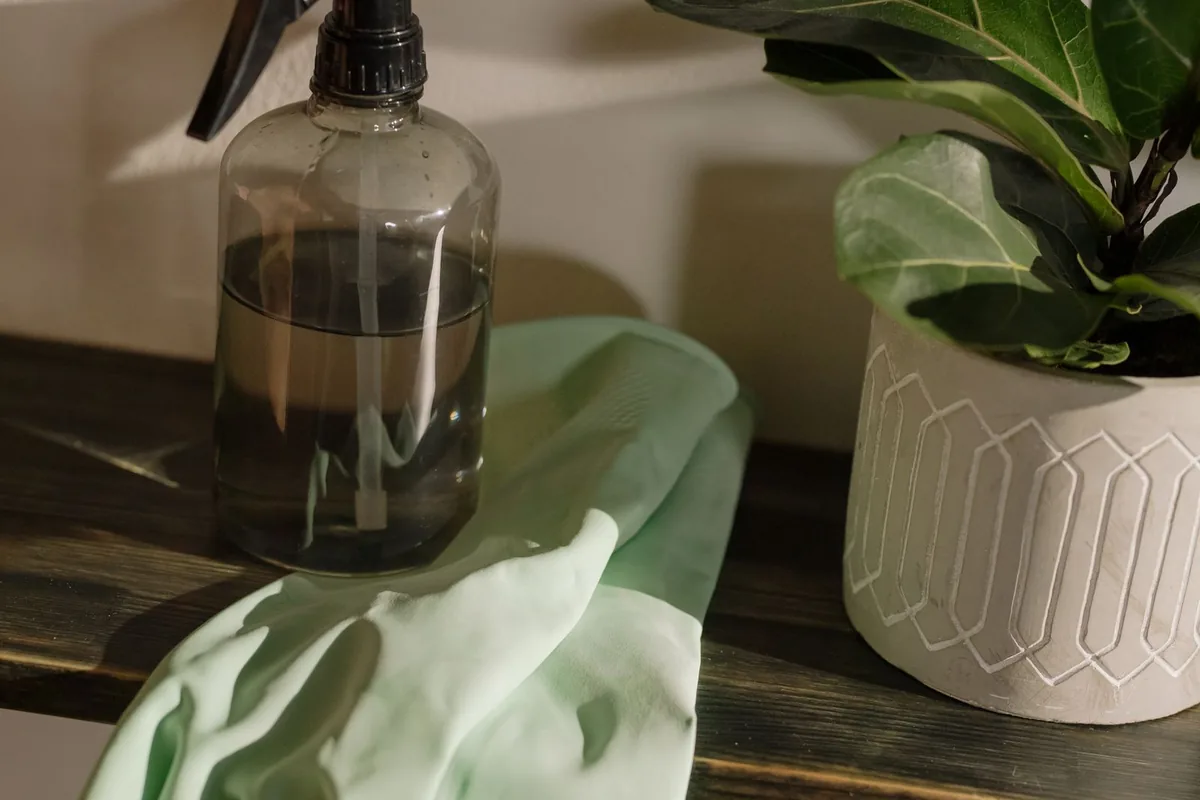
Because fentanyl residue can be a fine powder, a faint film or nothing visible at all, any unknown powder is treated as hazardous. Decontamination aims to leave surfaces clear of it.
Have questions about unknown powders, exposure risks and cleaning? Owners in Medford Lakes can ask Medford Lakes Biohazard Cleanup Help in a calm call with no judgment. You get help focused on making your space in Burlington County safe.
Most homes in Burlington County are owner occupied, with renters at about 24% of households, so many calls come from families clearing a home or vehicle. People who may have been exposed should get medical care. West Jersey Hospital in Voorhees is the closest emergency room to Medford Lakes.
A typical fentanyl decontamination job includes:
The plan covers who enters, what gear they wear, where waste goes and how the air is controlled.
Cleanup technicians enter in protective gear and avoid stirring up powder with fans, brooms or dry cloths.
Cleaning goes from the highest surfaces to the floor, with fresh materials at each stage to avoid spreading residue.
Sealed waste leaves the property, and the owner can request records of the cleanup.
Most fentanyl decontamination jobs in Medford Lakes, NJ cost between $3,000 and $30,000, based on published cost guides.
Porous materials add work. Carpet, padding, mattresses and upholstery that took in residue may have to be removed, hauled and replaced.
| Type of job | Typical range |
|---|---|
| Fentanyl cleanup | $3,000 - $20,000 |
| Fentanyl cleanup | $5,000 - $30,000+ |
Estimates only, not a quote. Sources: Biohazard cleanup company pricing guide. Price drivers include area affected, testing before and after, protective gear and disposal, materials that must be removed. Call (877) 812-4220 to talk through the job.
Risk depends on the amount and the form. Breathing powder or getting it in the mouth or eyes is the main concern, and brief skin contact is generally less risky. Still, avoid touching it. If it happens, wash with soap and water and call Poison Control.
A careful cleanup removes the residue it covers, and a final inspection checks the work. Rules for testing vary by place. Ask the team what was done and what was not checked, and ask the local health department what applies.
No. Keep them out until a cleanup team has finished. Children and pets are close to floors and furniture and are most at risk from residue. If one touches or swallows something unknown, call Poison Control or 911.
Often not. In many cases the person who calls does not need to be on site. The team may need access, keys and a point of contact. Ask how that can be arranged, especially if you are out of town or the space is vacant.
Vehicles are small, closed spaces, so residue can build up on seats, carpets and vents. Crews use the same careful methods as in a building, and soft materials may need to be removed. Ask whether the team cleans vehicles and how soft materials are treated.
Fine powder can rise into the air when it is swept, wiped dry or vacuumed with an ordinary vacuum. Cleanup teams use wet methods and controlled equipment so particles stay down. Agencies such as the CDC advise against disturbing powder.
Keep people and pets out, and call 911 first if anyone is ill.
Call (877) 812-4220